
Femcels: Behind the Invisible Forums, a Widespread and Largely Underestimated Female Loneliness

The Digital Shadow: Why Femcels Remain Invisible
While society and research primarily focus on involuntary celibate (incel) men, another reality is evolving in the shadows of online forums. Femcels, women experiencing unwanted celibacy, find refuge on anonymous platforms where they share their romantic and sexual frustrations. However, this phenomenon remains largely unknown to the general public and is rarely the subject of in-depth studies.
Defining the Phenomenon: Female Involuntary Celibacy vs. Real-World Reality
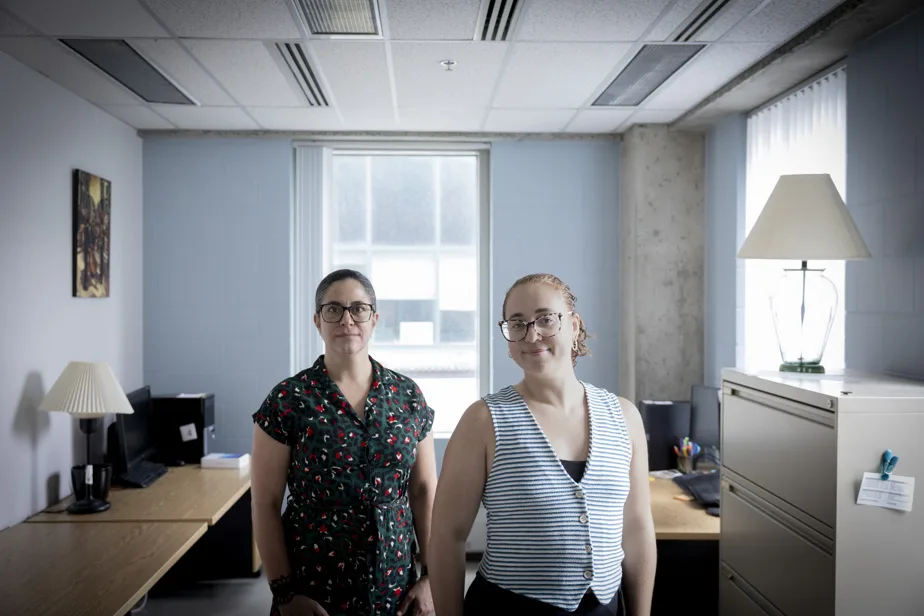
The term refers to women who deeply desire to form an intimate relationship but repeatedly encounter rejection or indifference. Contrary to common misconceptions, it is not a militant rejection of romance but rather suffering related to the gap between desired and experienced relationships. Researchers like Alexandra Zidenberg, a professor of criminology at the University of Montreal, are beginning to highlight the specific characteristics of this group, which often evolves in secrecy.
Specific Codes: Appearance, Rejection, and Anonymous Forums
- A strong perception that physical appearance dictates relational success
- Online communities offering an outlet but also reinforcing limiting beliefs
- Social comparison mechanisms exacerbated by social networks and dating apps

Psychological Impact: Between Fatalism and Loss of Self-Confidence
The repetition of romantic failures can generate a sense of learned helplessness. In forums, sharing painful experiences often serves as a safety valve, but there is also the risk of creating a bubble where victimization becomes part of one's identity. This dynamic harms self-esteem and can fix individuals in a sterile relational pattern, where each attempt is perceived as a new punishment rather than as a learning opportunity.
Beyond the Stereotype: Expertise and Paths to Reconstruction
Awareness comes through dialogue with mental health professionals specializing in interpersonal relationships. Recognizing that a person's value is not limited to their physical attractiveness is a key step. Cognitive-behavioral therapies, as well as structured support groups, can help deconstruct false beliefs and reconnect with a positive socialization.

Conclusion: Breaking the Silence to Better Understand
Femcels are not a homogeneous group or a marginal phenomenon to be demonized. Behind their anonymity lie women facing a double penalty: that of loneliness and that of social invisibility. By lifting the veil on their experiences with empathy and rigor, we can transform a subject of stigmatization into a public health and psychological support issue.
Never forget to play safely!
Be Geek, Be Kinky!
You may also like
First Steps in a BDSM Club: Your Complete Guide to Crossing the Threshold with Confidence.

RBDSM vs. BDSM: Understanding the Relational Communication Tool That Transforms Your Interactions
Sexual Synesthesia: Why Some People See Colors During Orgasm
Disability and Sexuality: Breaking Down Taboos for Guaranteed Intimate Fulfillment
Summer infidelity: should you confess everything or protect your relationship by remaining silent?