
RBDSM vs. BDSM: Understanding the Relational Communication Tool That Transforms Your Interactions

Introduction: Clarifying the Confusion Between RBDSM and BDSM
If the term RBDSM immediately evokes BDSM to the uninitiated, it is in reality a completely distinct approach. As several relationship experts point out, despite a similar sound that might lead to confusion, RBDSM is not directly related to kink or BDSM practices. While BDSM relies on a consensual exchange of power and specific dynamics, RBDSM positions itself as a tool for relational communication that applies across the board. It addresses anyone wishing to clarify their expectations, set their boundaries, and align their vision of love before intimacy or at the beginning of a relationship. The goal is simple: to replace misunderstandings with structured and caring conversations.

Why a New Acronym for Relational Communication?
In a context where relationships are becoming more complex (digital dating, polyamory, enlightened singledom), intuitive communication often shows its limitations. RBDSM was born from a pragmatic need: to have a mnemonic framework to address crucial issues without forgetting the essentials. This tool builds on existing communication habits while introducing a reassuring structure. Unlike the superficial exchanges that often occur in the wake of a seduction, RBDSM encourages a temporal shift that is favorable to reflection. It makes it possible to verify emotional and relational compatibility without pressure, thereby creating an essential space for psychological safety.
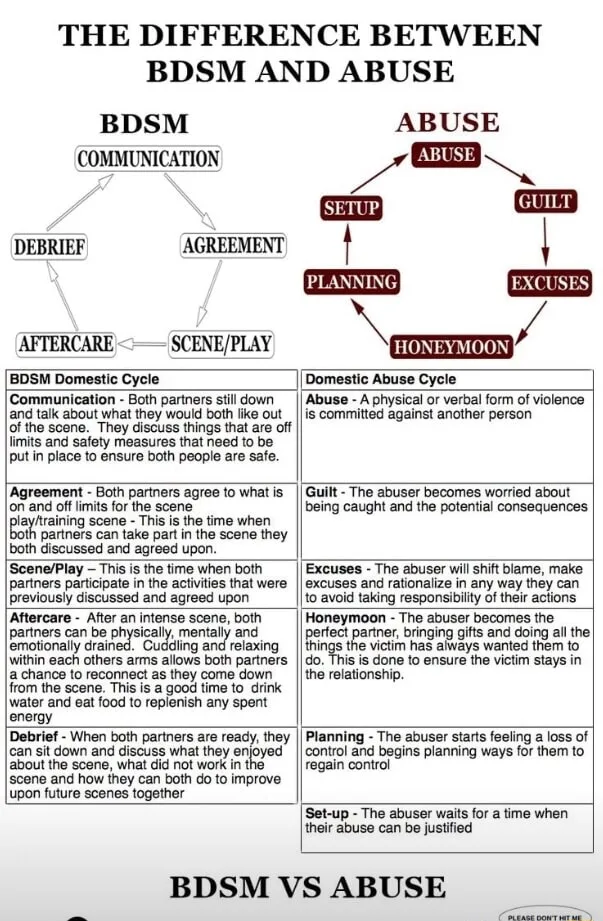
The 5 Pillars of RBDSM Explained
The acronym functions as a conversational framework. Although each community adapts it slightly to its uses, it is fundamentally based on five interdependent axes: Relationship, Boundaries, Discussions, Safety, and Post-Exchange Methods.
- Relationship: Define the type of connection desired (casual, exclusive, open), the desired rhythms, and the frequency of contact. This alignment avoids hurtful projections at the beginning of a relationship.
- Boundaries: Clearly identify physical, emotional, and temporal limits. Knowing how to say no or specifying what is unthinkable is an integral part of mutual respect.
- Discussions: Exchange openly about desires, fantasies, or sexual expectations without judgment. Transparency replaces the "we'll see" attitude and reduces performance anxiety.
- Safety: Set keywords, verify ongoing consent, and ensure that each person feels confident enough to back out at any time. Relational safety precedes physical safety.
- Post-Exchange Methods: Anticipate needs after an encounter or a tense exchange. How do you want to be supported, what habits of kindness should be prioritized once the intense moment is over?
This structure does not prescribe a single model, but offers a flexible framework for navigating human complexity. As practitioners of relational tantra point out, it makes it possible to ritualize conversations that have always existed, while giving them a common vocabulary.
How to Put RBDSM into Practice Now?
Integrating RBDSM into your relationships does not require formal training. Here are some concrete steps to get started:
- Choose the right time: Avoid the first encounter under the influence of dopamine. Favor a calm exchange, face-to-face or by written message if you are more comfortable.
- Use open-ended questions: Instead of assuming, ask questions focused on the pillars of RBDSM. For example: "How do you envision our interactions next week?" or "Is there a topic you would like to address before going further?"
- Validate and rephrase: Relational communication works both ways. Listen actively, confirm your understanding, and do not hesitate to adjust your own expectations in return.
- Revise regularly: Needs evolve. RBDSM is not a fixed contract but a living discussion that you can update as the months go by or as life changes.
An effective tool for healthy love relationships relies less on the perfection of the initiative than on the common will to align our respective realities.

Conclusion: A Caring Framework for Consensual Intimacy
Confusing RBDSM and BDSM is a common mistake, but it disappears as soon as one understands the true scope of the former. RBDSM does not seek to explore specific power or sensation dynamics, but to humanize relational exchanges by offering them a clear compass. By transforming conversations that are often avoided into structured and respectful moments, this acronym becomes a true lever for relational health. Whether you are single, in a couple, or in a plural dynamic, integrating this communication approach can significantly reduce friction, strengthen trust, and make each encounter a space where consent and pleasure flourish naturally. The key lies in authenticity: daring to talk about what really matters, in order to build lasting and enlightened relationships.
Never forget to play in complete safety!
Be Geek, Be Kinky!

You may also like
First Steps in a BDSM Club: Your Complete Guide to Crossing the Threshold with Confidence.

Sexual Synesthesia: Why Some People See Colors During Orgasm
Femcels: Behind the Invisible Forums, a Widespread and Largely Underestimated Female Loneliness
Disability and Sexuality: Breaking Down Taboos for Guaranteed Intimate Fulfillment
Summer infidelity: should you confess everything or protect your relationship by remaining silent?