
Shibari for Beginners: 5 Basic Knots to Master BEFORE Suspension – A Practical and Safe Guide

Shibari for Beginners: 5 Basic Knots to Master BEFORE Attempting Suspension – A Practical and Safe Guide
Shibari, or kinbaku, is much more than just a bondage technique: it's a Japanese art where rope becomes a canvas to create aesthetically pleasing forms while respecting the comfort and safety of the person being tied. If you are a beginner, it is crucial to master a few basic knots before attempting suspensions or complex figures. This article presents 5 essential knots, explained with diagrams, tips to avoid mistakes, and safety advice drawn from the best sources (such as LesNoeuds.com or Shibari Artist).

Introduction: Why are these 5 knots essential?
Whether you practice shibari for pleasure, art, or BDSM, these knots form the foundation of any safe and creative practice. According to Pulsations Sensuelles, they allow you to:
- Create strong but adjustable ties (to avoid injury).
- Understand the principles of tension and weight distribution.
- Progress to more complex figures (such as suspensions or geometric patterns).
By the end of this article, you will know how to do them blindfolded – and, above all, without putting your partner in danger.
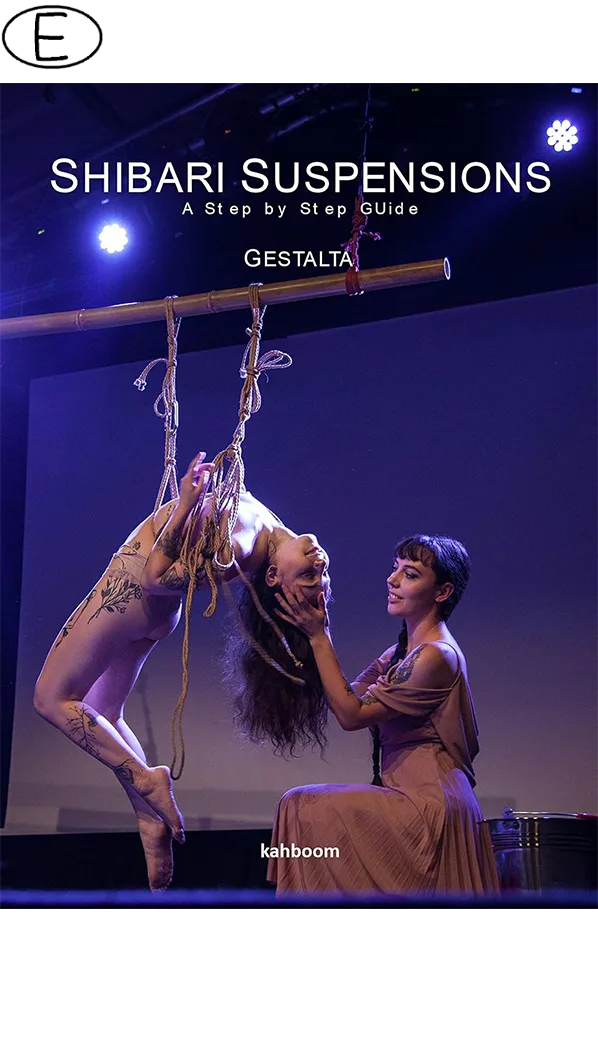
1. The Single Column Tie: The Essential Shibari Base
Considered the mother knot of shibari, the single column tie is used in 90% of basic figures. It is simple, safe, and allows you to attach a limb (wrist, ankle) to a structure or another limb.
Steps to do it:
- Preparation: Pass the rope around the wrist (or ankle) to form a loop in the shape of an 8 (like a chair knot).
- First loop: Pass the rope under the limb, then go up diagonally to create the first tension.
- Second loop: Repeat the operation by crossing the rope over the first loop, like a column.
- Progressive tightening: Gently pull on the ends to tighten, making sure the rope does not cut off circulation (see safety section).
Tip: For a more aesthetic effect, use a rope that is 3 to 4 mm in diameter and leave regular spaces between the loops (as shown in the video from Shibari Artist).
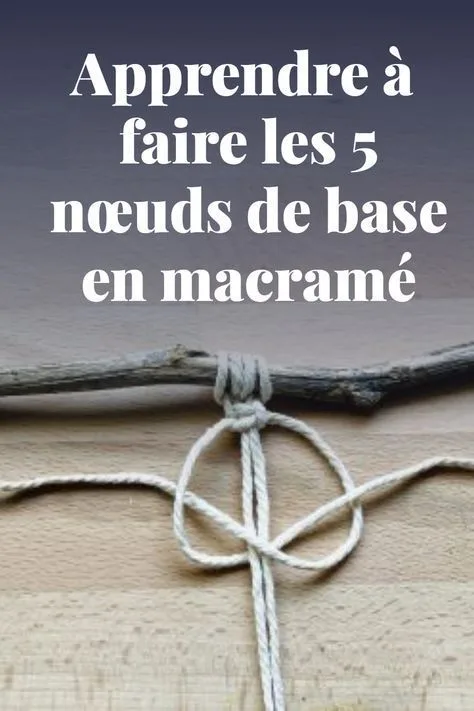
2. The Double Column Tie: For More Stable Ties
A variation of the single column tie, the double column tie offers a better distribution of tension, ideal for suspensions or prolonged ties. It is often used to secure wrists before a suspension.
Differences from the single column tie:
- Two parallel columns of loops instead of one.
- The rope is longer (allow 2 to 3 meters).
- Allows you to adjust the tension without completely loosening the knot.
Mistake to avoid: Don't tighten too quickly! As L'École des Cordes explains, you must first shape the form before pulling. Use your hands to guide the rope in a Z shape before tightening.
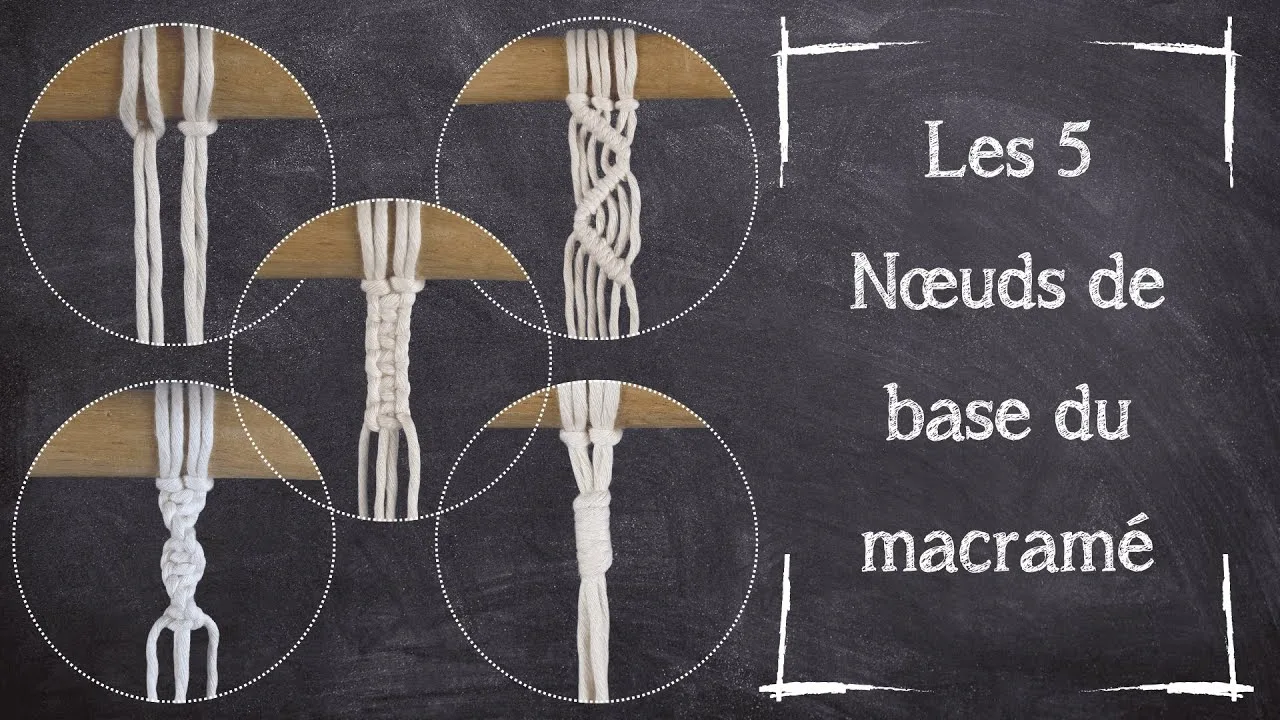
3. The Gote Shibari: The 'Hands Behind the Back' Knot Explained Simply
The gote (後手, "hands behind the back") is one of the most recognizable patterns in shibari. It combines two single column ties with an additional rope to tie the wrists in the back. It is a classic for floor scenes.
Detailed steps:
- Attach each wrist with a single column tie (see step 1).
- Connect the two ropes by crossing them behind the back to form an 8 loop.
- Add a third rope to tie the wrists together, creating a X or spiral pattern.
- Adjust the tension so that the arms are at a right angle (as in this diagram).
Advanced variation: For a more dynamic effect, use a thin rope (2 mm) to draw patterns between the arms (a technique called kumi-himo).
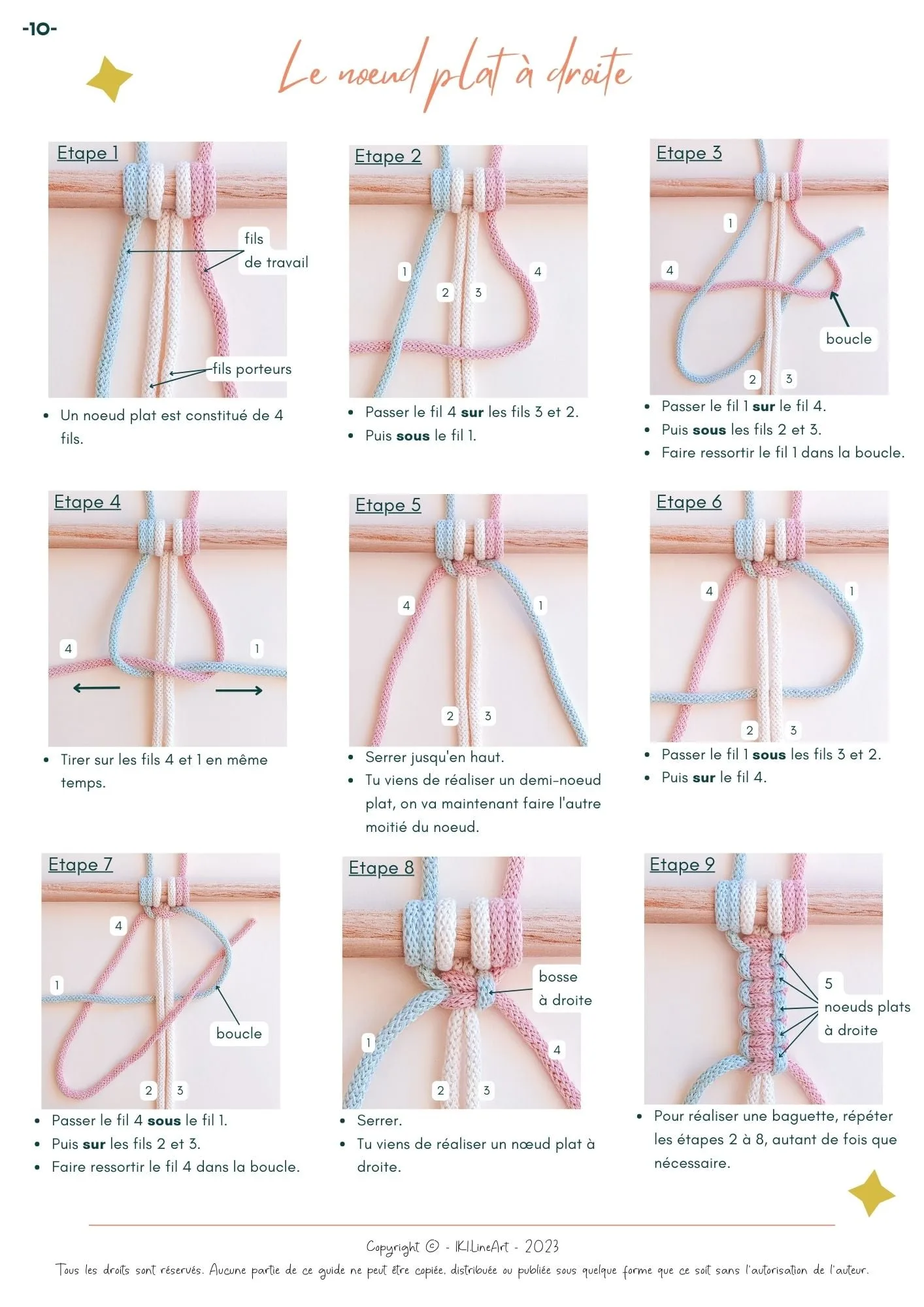
4. The Figure Eight Knot: Safety and Aesthetics
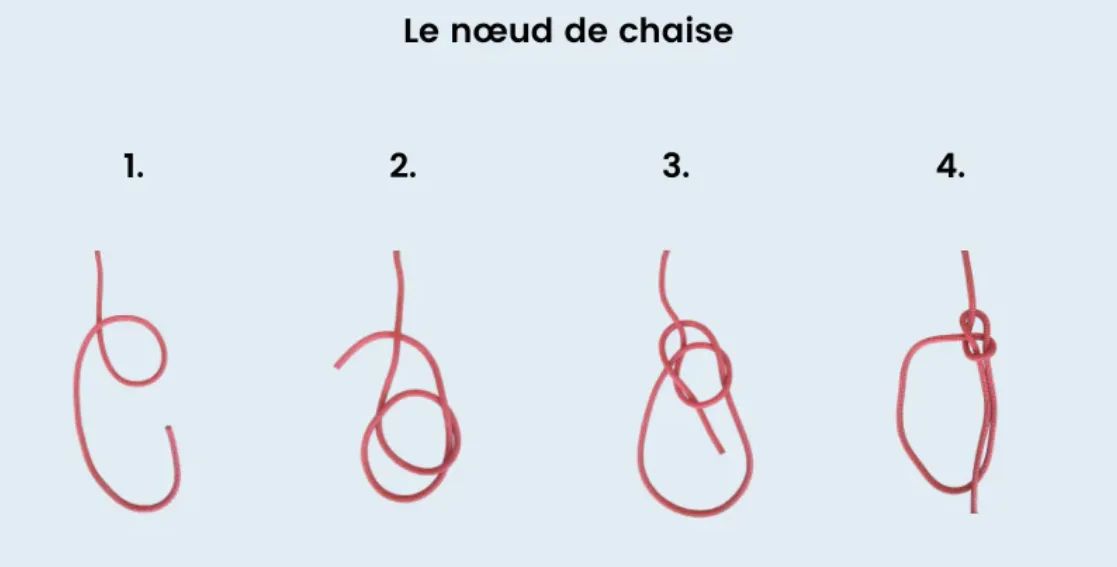
This knot, often used to secure a tie or create a decorative loop, is also called a Japanese chair knot. It is perfect for attaching a rope to an anchor point (bed, pole) or for connecting two limbs.
Why use it?
- It does not loosen under tension (unlike a flat knot).
- It allows you to control the tension precisely.
- It is recognizable in artistic figures (see the tutorials from Shibari Tuto).
Visual tutorial: Watch this video from Point Q to see how to integrate it into a wrist-ankle tie.
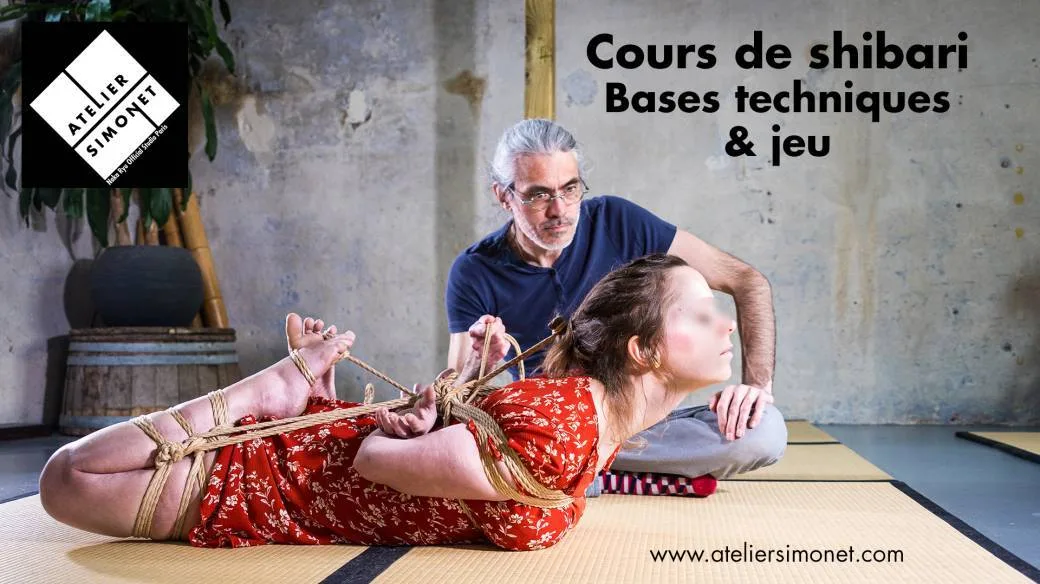
5. The Spiral Tie: For a Hypnotic Visual Effect
The spiral tie is a decorative knot that creates a whirlwind effect around a limb. It is often used for suspensions or aesthetic ties. Warning: it takes a little more practice to avoid uneven tightening.
Step-by-step technique:
- Start with a basic single column tie.
- Instead of crossing the rope in a straight line, make it rotate in a spiral around the limb (like a screw).
- Repeat the spiral 3 to 5 times before tightening.
- Adjust the tension by pulling on the ends simultaneously to avoid twisting.
Pro tip: Use a smooth and flexible rope (like cashmere or braided polyester) for a smoother look. For inspiration, consult the PDF from Shibari Bases and Suspensions.
Safety First: Materials, Actions and Signals to Know
Shibari is an art that must remain safe. Here are the golden rules, inspired by the guides from Univers BDSM and Le Poulpe Calin:
Essential Materials:
- Rope: 3 to 4 mm in diameter (polyester or cashmere), minimum length of 2 meters per tie.
- Solid anchor point: Bed, pole, or structure designed for suspension.
- Pads: To protect the joints (wrists, ankles).
- Mobile phones: For emergency signals (e.g., tap 3 times = too tight).
Actions to master:
- Test circulation: After each knot, ask your partner to move their fingers/toes. If the color returns slowly, loosen.
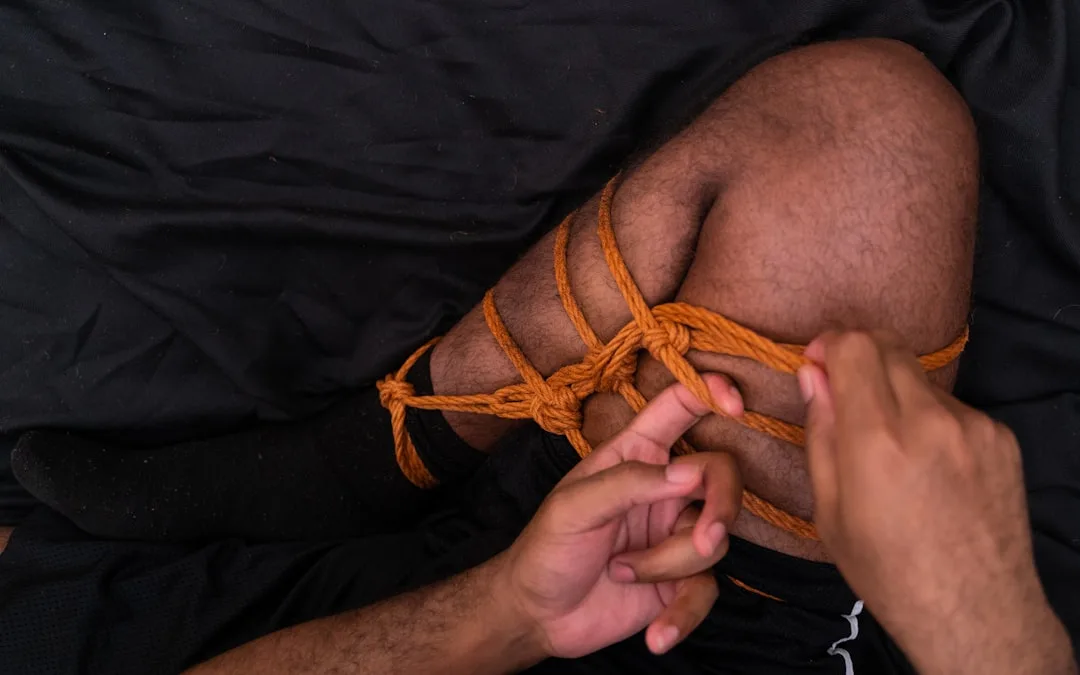
- Avoid knots on the joints (elbow, knee). Prefer fleshy areas (forearms, thighs).
- Never tie alone: Even for practice, provide a way to free yourself (rope with a sliding loop).
How to Progress? 3 Common Mistakes Made by Beginners
Here are the pitfalls that most beginners fall into, according to feedback from the Shibari Kinbaku community:
- Tightening too quickly:
"I tightened without checking, and my partner's fingers were numb for 20 minutes!"
Solution: Always adjust the tension after forming the knot, and ask for feedback.
- Rope too short:
"I didn't have enough rope to make a double column tie, so I improvised... and the knot came loose."
Solution: For beginners, allow at least 2.5 meters of rope per tie.
- Neglecting the aesthetics:
"My shibari was safe, but it looked like a mess!"
Solution: Take the time to smooth the loops and adjust the spaces between the turns. Look at the photos on Boutique du Shibari for inspiration.
Ideas for Scenarios to Apply These Knots in a Real Situation
Once you have mastered these 5 basic knots, you can combine them to create various scenes. Here are 3 beginner-friendly but effective ideas:
1. Floor Tie: The 'Butterfly'
- Use a gote to tie the wrists in the back.
- Attach the ankles with single column ties to rings fixed to the floor.
- Add a spiral rope around the thighs for a sensual effect.
2. Simple Suspension: The 'Cross'
- Attach the wrists with double column ties to a beam.
- Attach the ankles with figure eight knots to keep the legs in the air.
- Use a thin rope to draw a cross on the torso.
3. Intimate Scene: The 'Sacred Ties'
- Attach the hands above the head with a single column tie per wrist.
- Connect the ankles with a spiral tie for a lightness effect.
- Cover the eyes with a silk blindfold to intensify sensations.
Resources to Go Further
To deepen your knowledge, here is a selection of free and paid resources:
Books and PDFs:
- Shibari Guide from LesNoeuds.com (77 pages, diagrams included).
- PDF Shibari Bases and Suspensions (advanced techniques).
Videos and YouTube Channels:
Communities and Workshops:
- Shibari Kinbaku Forum (to ask your questions).
- Online workshops with Seb Kinbaku.
Conclusion: Shibari, an Art Accessible to All
With these 5 basic knots, you already have all the keys to get started safely. The key is to:
- Practice regularly (even alone with mannequins or dolls).
- Listen to your partner's feedback to adjust the tension.
- Have fun: Shibari is a mixture of precision and creativity. Don't hesitate to experiment with patterns!
Sources cited:
- LesNoeuds.com - Complete Shibari Guide.
- Shibari Artist - Basics and fundamentals.
- Pulsations Sensuelles - Safety and equipment.
- Univers BDSM - Basic knots for beginners.
- PDF Shibari Bases and Suspensions - Advanced techniques.
Never forget to play safely!
Be Geek, Be Kinky!

You may also like

Disability and Sexuality: Breaking Down Taboos for Guaranteed Intimate Fulfillment
Summer infidelity: should you confess everything or protect your relationship by remaining silent?
Is my partner really my soulmate? What science reveals about relationship doubts.
Uniform Fetish: What Your Attraction to Firefighters or Police Officers Reveals About Your Intimate Life
Couple's vacations: when the quest for the perfect photo puts stress in the spotlight.